

The Hidden Costs of Buying a Home Espresso Machine
It can be intimidating to add an espresso maker to your kitchen. However, it's not as difficult as you think. If you're looking for a way to save on the cost of coffee shop drinks or want to sharpen your barista skills There's an espresso machine for anyone.
Think about features like a manual portafilter for practicing tamping. It may take a while to master this technique. Also, automatic milk frothing can produce real variations in temperature and texture.
Basics
Espresso consumption in the United States has soared over the past two decades. It's now commonplace to find espresso machines in bookshops, grocery stores, laundromats, and even gas stations and at cafes and street-side carts. While they're smaller than the commercial models found in coffee shops, they work using the same principles and can create the same concentrated coffee at home, which has become the caffeinated drink that is preferred by many across the country.
All machines must have a heating system which can bring the water up to the proper temperature. These range from basic stovetop devices that use an electric flame to heat the water, to electric-powered machines that have a boiler system.
Certain espresso machines come with an array of options that make it easier for users to create the drinks they would like. Some espresso machines have a built in grinder, which makes it much easier than grinding beans by hand. This is especially beneficial for those who are new to the field and do not know how to grind the coffee beans correctly or how to tamp them and press.
The pressure relief valve is an electromechanical device that opens automatically to let out the pressure buildup within the filter basket or portafilter after the espresso has been brewed. This is crucial because it prevents the rapid release of steam that could otherwise spray hot coffee grounds everywhere on your countertop, the machine and you. A few less expensive espresso machines don't have this feature, so make sure to confirm prior to purchasing.
Another important feature is the ability to alter the size of the brewed drink and the amount of steamed milk that is produced by the machine. This allows you to experiment with different drinks, find those that are your favorites and perfect your brewing technique.
It is important to remember that the quality of your beans will determine the flavor of your espresso. If you don't begin with freshly roasted, specialty-graded coffee, no amount of high-end features will yield the most delicious cup of espresso.
small espresso machine have the option of choosing from a range of options for espresso machines for your home according to your preferences. Certain machines come with more features and settings that can be altered for the perfect cup of coffee, whereas others could be less complicated and cost-effective. The size of the machine also influences its price, since bigger machines are typically more expensive.
The most popular model of espresso machine for home use is a semi-automatic. The style comes with an espresso portafilter that stores ground coffee, and is placed within a lower compartment that contains water. The top of the portafilter has a metal filter that sits over the bottom chamber, and then the water is moved through the grounds using pressure. The result is a shot of espresso that is able to be pulled from the portafilter and added to the milk in a cup to make a cappuccino or latte.
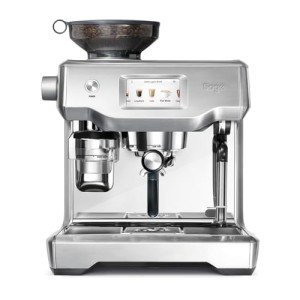
Another kind of home espresso machine is a super-automatic, that is fully automated brewing system that requires no involvement from the user. This kind of machine has a larger water reservoir which means it can create more drinks in less time. It also typically has a dedicated steam wand to produce rich and creamy steamed milk.
If you're looking for a truly hands-off experience, there are also capsule machines that make use of pre-measured pods to make espresso and other coffee beverages. These machines are usually cheaper and more convenient, but can only be used with specific brands of pods.
There are also manual lever coffee machines that look stunning and bring back memories of romantic cafes of the past. These machines require more experience to operate than the semi-automatics or super-automatics. However, they can offer an unique experience for the home barista that is looking to experiment with something new.
There are several companies that specialize in high-end, customizable espresso machines for home use. One of them is the Lelit MaraX. It performed well in our previous side-byside tests. The models come with a range of adjustments that will make sure you get the perfect cup, such as an adjustable PID controller that allows you to set the temperature of your water to a specific degree and a shot timer to show you how long the brew is taking and the pressure gauge to make sure the shots are being taken at the ideal level.
Convenience
If you're an espresso lover, you know that there's nothing as satisfying as a freshly-brewed cup of the stuff. In recent years, the popularity of this beverage has grown exponentially. You can now buy it from Starbucks to drive-through espresso machines that are found in grocery stores, laundry mats, and even gas stations. You can make espresso in your home kitchen using a low-cost home espresso maker. The machines operate a bit differently than the ones found in cafes, but they use similar principles.
In contrast to drip coffee machines which have a built-in grinder and are easy to operate, espresso makers require users to grind manually the beans, then place them in the portafilter and use a manual tamping process. It's not as complicated as it may seem. It's actually quite easy and quick, particularly if you use a good burr grinder.
A high-quality grinder can make a an enormous difference in the taste and consistency of your coffee and, therefore, if you're planning to purchase an espresso machine do not compromise on the quality of the grinder. We recommend purchasing a high-quality grinder that lets you regulate the fineness of the ground coffee.
A machine's convenience features and beverage options are equally important. For instance, you might want a machine that can automatically heat your milk or froth it with the press of one button. You could also opt for an automated machine that does all the work for you, from grinding and tamping, to making your coffee.
You might also want a dual-boiler model, which includes two boilers one for brewing and the other one for steaming. This allows the machine to be ready to be brewing and steaming in a matter of minutes. This is ideal for hosting guests or preparing multiple drinks at once. However, be aware that this kind of machine requires more frequent descaling which can be a hassle and can affect the performance of your machine over time.
Cost
A home espresso machine is expensive, but is a great investment. It will be paid for in some years of savings by not having to buy coffee from cafes. It is crucial to consider the entire picture when comparing benefits vs costs. This article reveals the hidden costs that come with buying a home-based espresso machine. From the initial cost, which are affected by the features, to the long-term maintenance and operating expenses of a top-quality setup. This includes energy consumption as well as replacement parts and costs, as well as the total cost when compared to coffee at a cafe.
Depending on the type of espresso machine you choose the upfront cost can vary significantly. Bean to cup machines, for instance, are typically more expensive at first however lever-operated machines are less expensive. However the more expensive models also offer a higher level of functionality and precision to the user.
Even a fairly inexpensive espresso maker can yield excellent results when used with correct beans and brewing method. To get the best flavor, you should use freshly roasted, top-quality beans. In fact, if we skip on the beans, no amount of sophisticated technology or high-end design can provide subpar results.
The average latte cost $5 at a cafe, and you can make the same drink at home for $1.48. If you make latte at home every day, you'll save nearly $1200 per year. When you factor in the cost of a brand new grinder or tamper, as well as other supplies, a quality home espresso setup can easily cost close to $1,200.
Some people are turned off by the price of an espresso maker but the coffee is what provides the flavor chemicals for a great cup. Espresso machines are an instrument that allows you to extract the flavor from the coffee beans. It is your responsibility to select the right equipment to accomplish the task. If you're a barista in training, or just want to enjoy the taste of freshly-ground manually-pulled coffee, an espresso machine is an excellent investment for your kitchen.